
From Underpaid to Unstoppable: The Strategy
Aug 25, 2026
Picture a CPA refreshing a bank account balance that refused to move past zero, while a managing a full list of clients who told her how much they loved her work.
That was my first year in private practice. My phone rang constantly. My inbox overflowed with referrals. Clients I served walked away thrilled. And yet, when I logged into my business account at the end of each month, there was nothing there.
No cushion. No profit. No paycheck for little ol’ me.
I remember the exact moment it hit me: sitting at my desk late on a Friday, exhausted, staring at a spreadsheet that told a story my ego didn't want to hear. Like Maverick writing checks his body couldn’t cash in the 1986 film, Top Gun.

I had built a business everyone loved except the one person keeping the lights on. I was pleasing every client on the planet except myself.
That realization (and few other things) eventually led me to shut the practice down entirely and go back into big public accounting, 80-hour weeks and all. Not exactly the "founder success story" I'd imagined.
While many of you reading this may not run a CPA firm, this same trap could show up for you the moment you launch a side hustle or a new business and decide the safest way to win clients is to charge less than you're worth.
Here's what I learned, and what I now teach every founder I coach, especially the ladies who, like former-me, are worried or afraid to set a competitive price.
Lesson One: Undercharging Isn't Generosity. It's Fear Wearing a Nice Outfit.
My mantra back then was "better service, lower price."
It felt noble, humble. What it actually was:
a story I told myself so I wouldn't have to feel the discomfort of asking for my full value.
Think about the last time you second-guessed a quote and dropped your price before the client even pushed back. That gut-drop feeling, the tight chest, the quick apology in your head? That's not strategy. It's fear talking, dressed up as kindness.
I felt that exact tightness every single time I sent an invoice that first year, and I told myself it was just being a "good person." It wasn't. It was a business slowly starving itself while looking, from the outside, like a total success.
Lesson Two: Your Competitor's Pricing Is Data, Not Competition.
Around that same time, I was consulting with a client who was making my exact mistake. I told her plainly: the service she delivered was top-tier, and her clients wouldn't find anything comparable elsewhere at any price. I should have looked in a mirror while I said it.
She believed me before I believed myself.
We rebuilt her pricing structure using something MBA marketing programs call a strategy canvas: mapping three or four competitors, their services, features, and prices side by side in a simple spreadsheet, then placing her own offer next to theirs. Seeing her value laid out in black and white, next to the market, felt like putting on glasses for the first time.
Blurry guesswork suddenly turned into clarity.
Today, she's grown her revenue and her profit, pays herself a real wage, and is actively expanding. Same skill set. Same client quality. Completely different bank balance.
Lesson Three: Paying Yourself First Isn't Selfish … It's the Business Model!
Here's the quick playbook, so you can do this too:
Step 1: Build your strategy canvas. List 3–4 direct competitors and their pricing, features, and positioning. Ask your favorite AI tool to help pull this together fast if a spreadsheet isn't your thing.
Step 2: Plug your own offer into that same canvas. Where do you sit? What's your differentiator? Most founders discover they're priced far below the value they actually deliver, purely on gut feel rather than market data.
Step 3: Set your price to reflect the market and your differentiation, not your discomfort. Then pay yourself first, every single time revenue comes in. That's the moment a hobby turns into a business built to make bank.
The Recap
I built a business full of happy clients and an empty bank account, all in the name of "being reasonable." My client did the opposite: she trusted the math (my math) over the fear, mapped her competitors, repriced with confidence, and grew both her revenue and her bank balance. The difference wasn't talent. It was one uncomfortable-but-necessary pricing conversation with herself.
Here's the twist nobody tells new founders, especially women: the "math" you aren't shown on how to create a profitable business isn't complicated calculus. It's not even really math at all. It's permission -- the confidence to charge what a strategy canvas already proves you're worth.
So if permission is all you need to get going, here you go:
You have my permission to go out there and Make Bank.
Want the next edition delivered straight to you? Sign up for the Make Bank newsletter, out every two weeks, packed with real numbers, real stories, and real strategy for women founders scaling smarter.
And if you're building your business from the ground up and want the entire startup process mapped out for you — pricing, positioning, and everything in between — I’m building a new, evergreen online course called The Founder Runway, built specifically to help new entrepreneurs launch without the trial-and-error (and empty bank accounts) I went through first.
About the Author
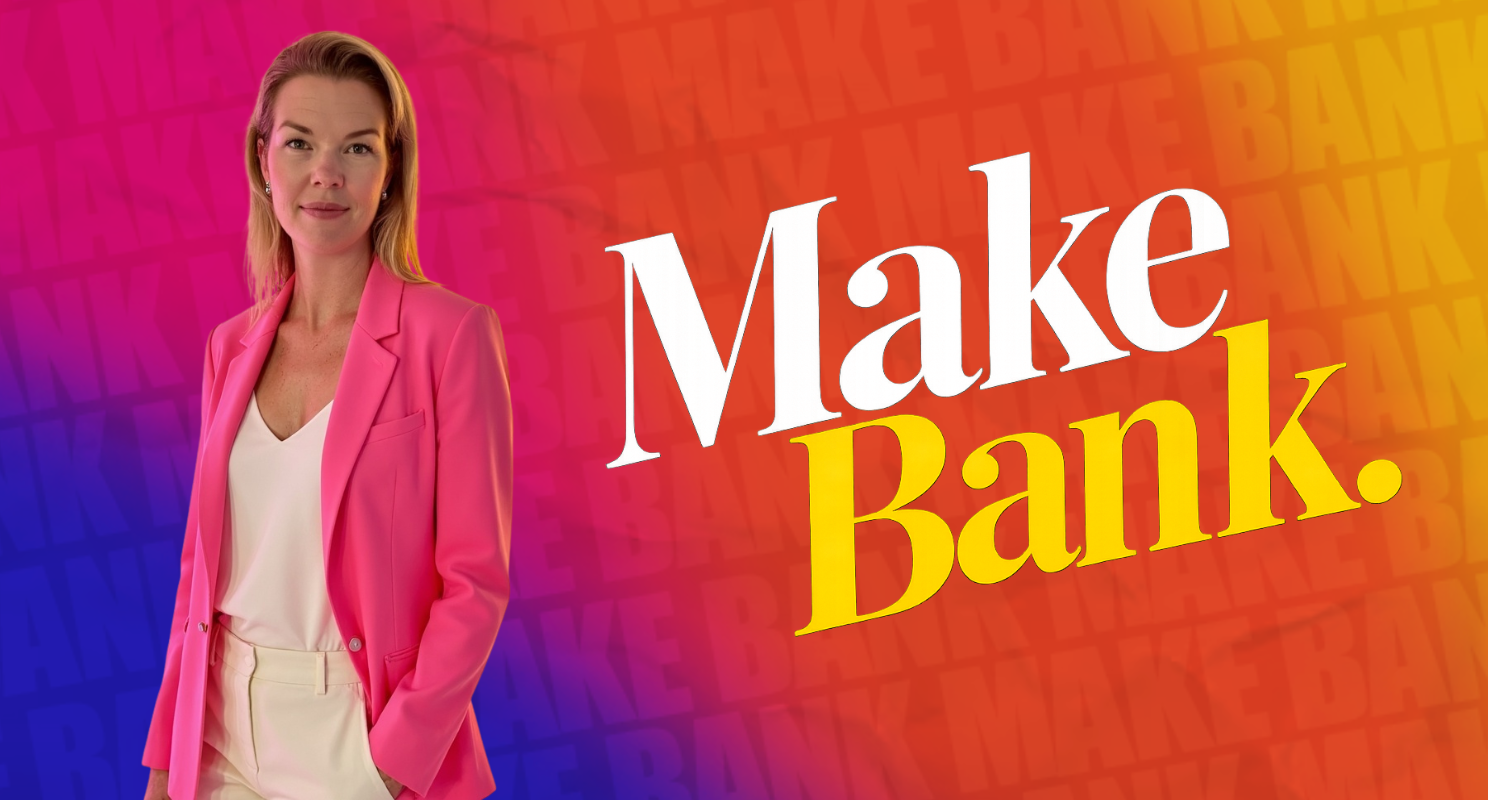
Caroline Beasley is a CPA, MBA, and Big 4/Big 8-trained accountant who works as a strategic CFO for founders scaling past $1M in revenue. She helps business owners trade gut feel for real financial clarity by showing them true profit margins, protecting cash flow, and building a dashboard that shows in seconds whether the month is on track.
She's especially passionate about helping women founders and creators access the CFO-level thinking that fuels sustainable growth. A military spouse and IRONMAN triathlete, she believes lasting success comes from discipline and boundaries, not burnout.
Want the truth about your numbers in your inbox? Follow Caroline on LinkedIn and subscribe to her newsletter, Make Bank.